Replacing a roof is a big decision, so we explain the materials, the layers underneath and the practical planning in straightforward terms before you commit to anything, anywhere in Lincolnshire.
A new roof is more than a fresh layer of tiles. It is a system: structure, battens, underlay or membrane, covering, ridge, verges and flashings, all of which have to work together for decades. Done well, a roof you rarely think about again is exactly what you get. Done badly, it shows within a couple of winters, and by then the cost of putting it right is far higher than getting it right the first time.
F H Roofing works across Lincolnshire from our base in Beckingham, near Lincoln. We install and replace slate, tiled and flat roofs on houses, extensions and garages. We will walk you through the options, show you what sits under the covering and put the whole job in a written quotation, which is free. There is no obligation, and you can take as long as you like to compare it with anything else you have received.
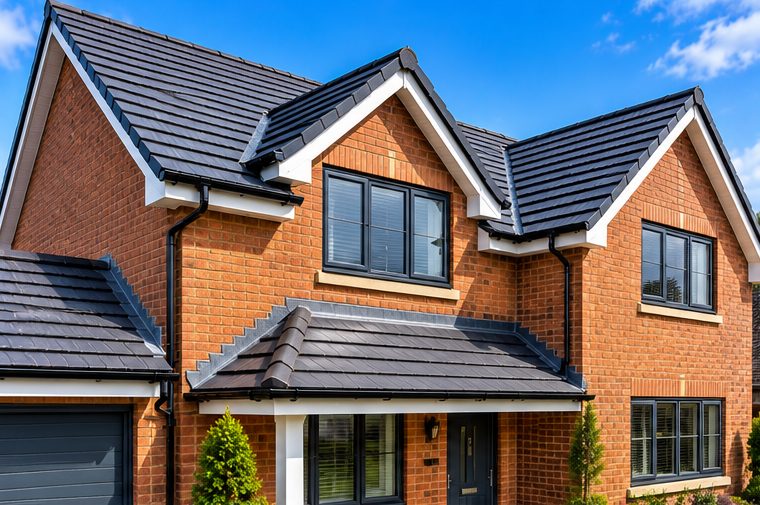
Pitched roofs are usually covered with natural slate, or with clay or concrete tiles. Slate is thin, durable and light for its strength in use but demands good fixing and skilled laying. Clay and plain tiles suit traditional character, while concrete interlocking tiles are practical and efficient over big areas. Flat roofs on extensions and garages use felt, rubber membrane or fibreglass, each with different joints and edge details. The right answer depends on the building, its pitch, its neighbours and your budget, not on fashion. We lay the options side by side and tell you plainly which we would lean towards, and why.
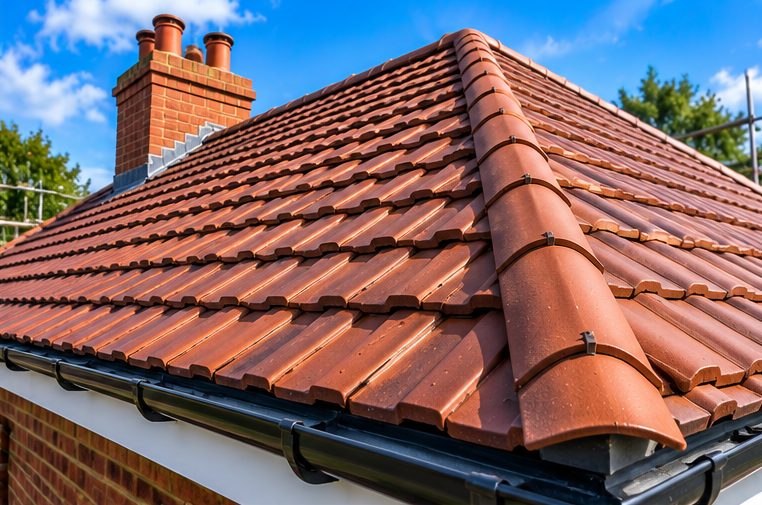
Much of a roof's real performance lies in what you cannot see. On a re-roof we normally strip back to the rafters, replace any battens that have rotted or sagged, and lay a modern breathable underlay or membrane. Ventilation needs thought so the loft stays dry. Ridges, hips and verges have to be bedded or fixed properly, and flashings around chimneys, walls and any Velux style roof window must be cut and dressed with care. Old roofs sometimes hide timber problems, so a sensible quotation allows for the possibility of finding a few and says how they would be dealt with.
Roofing is weather-dependent, so dates are never fixed to the day; we plan around the forecast and only strip as much as can be covered in the same session. Access matters too. Scaffolding is normally needed for safety and for the work itself, and it is worth agreeing where it goes and how long it stays. A written quotation should name the covering, the underlay, the battens, ridge and flashing details, what happens to the waste and what is not included. If a quote does not say, ask. Ours do, and we are happy to talk any line through.
A new slate roof installation starts with the structure, because natural slate is heavy and needs sound rafters and accurately set battens. Natural slate roofing is chosen for its fine edge, long life and good looks on period and modern homes alike. We talk through slate size, fixings and headlap with you, and explain how each choice affects weight, weather resistance and the look of the finished roof.
Read the guide →If you are weighing up slate sources, we can explain the differences honestly. Welsh slate roof installation is often favoured for traditional buildings and a particular character, while Spanish slate roof installation is a common choice where budget and availability matter. Colour, thickness and consistency vary between batches, so we look at samples with you before anything is ordered, then fix it carefully.
Read the guide →Slate roof replacement is not always needed, because sound slates can often be saved. Slate roof re-roofing means stripping and re-laying, reusing good slates and adding new where needed. Slate roof renovation covers a tidy-up of a tired roof, and slate roof underlay replacement deals with the felt that has perished underneath. We assess what is salvageable before recommending the extent of work.
Read the guide →A new tiled roof installation suits a new build, an extension or a house whose old covering has reached the end of its life. Tiled roof replacement begins with stripping the old tiles and checking the timbers underneath. We then fit new battens, underlay and tiles to a layout that suits the pitch and the building, and finish with ridges, verges and flashings done to match.
Read the guide →Concrete tile roofing is a widely used, practical covering for houses and garages, and it copes well with larger roof areas. Interlocking roof tile installation uses tiles that lock into one another along their sides, so they go on faster and sit in neat, regular lines. We check the pitch, headlap and fixings suit the tile chosen before any work begins.
Read the guide →Clay tile roofing has a traditional, slightly varied appearance and is often chosen for older or character properties. Plain tile roof installation uses small tiles laid with a generous overlap, which gives a distinctive finish but takes more time and skill to do neatly. We help you decide whether reusing existing tiles, mixing in new ones or starting afresh makes sense for your roof.
Read the guide →Roof tile replacement can be as simple as swapping a handful of broken tiles in one slope. Complete roof re-tiling is a bigger job: stripping the covering, checking battens and underlay, and laying new or reclaimed tiles across the whole roof. The right choice depends on how many tiles are failing and what condition the timbers and felt are in beneath.
Read the guide →Pitched roof installation covers new roof structures on extensions and outbuildings, where trusses or rafters, battens and covering must all work together. Pitched roof replacement means taking an existing sloping roof back to its frame and rebuilding the covering. We check the timber for rot or movement first, and talk through ventilation and insulation so the finished roof performs as well as it looks.
Read the guide →Complete roof replacement removes the old covering and renews what is needed underneath, so you start again with a roof built to last. Full house re-roofing covers every slope, ridge and verge in a single programme. New roof construction applies to extensions and new buildings. All three depend on sound planning, so we cover access, scaffolding and weather before starting.
Read the guide →Under the tiles, the unseen layers matter. Roof batten replacement is needed where timber has rotted or sagged, since tiles are only as secure as what they hang from. Roofing membrane installation adds a secondary barrier against wind-driven rain, and breathable roof underlay installation lets moisture escape from the loft. We explain what is going under your tiles and why before anything is covered up.
Read the guide →Ridge tile replacement is one of the most common jobs on pitched roofs, because the ridge takes the full force of wind and its old mortar cracks with age. We take off loose or broken ridge tiles, clean the bedding area and refit them securely, using dry-fix systems or mortar depending on the roof, so the top of the roof stays weather-tight.
Read the guide →Roof ventilation installation helps a loft stay dry, which protects timbers and reduces condensation on rafters and insulation. It can mean eaves vents, ridge vents or in-roof tiles with airflow built in, depending on the roof type. We look at how air moves through your roof space and recommend ventilation that suits both the covering and any insulation already in place.
Read the guide →Roof window installation brings daylight into a loft room, landing or dormer space. Velux roof window installation uses a well-known product name and is a common choice, though other makes exist. Cutting an opening in the roof means careful structural work, proper flashing kits and sealing at the surrounds. We talk through size, position and how the finished window will sit within your roof.
Read the guide →Lead flashing installation seals the junctions where a roof meets a wall, chimney, dormer or roof window, which are the places water most likes to find its way in. Lead is cut, dressed and fixed to follow the shape of the junction, with proper laps and chases. Done carefully it lasts well, and it is far more dependable than a bead of sealant.
Read the guide →New roof inspections are useful if you have just had work done, bought a property or want a second opinion before committing to a big job. We check the covering, ridges, verges, flashings and gutters, and look in the loft where we can for signs of damp or poor installation. You get a plain description of what we found and what, if anything, needs attention.
Read the guide →New flat roof systems suit extensions and garages, and each material has its own strengths. Felt flat roof installation is a familiar, adaptable option, EPDM rubber roof installation uses a single-sheet membrane, and GRP fibreglass roof installation forms a seamless, rigid surface. Garage flat roof installation is often the simplest, while extension flat roof installation needs closer attention to falls, edges and drainage.
Select your town to see how we handle new roof installations locally.
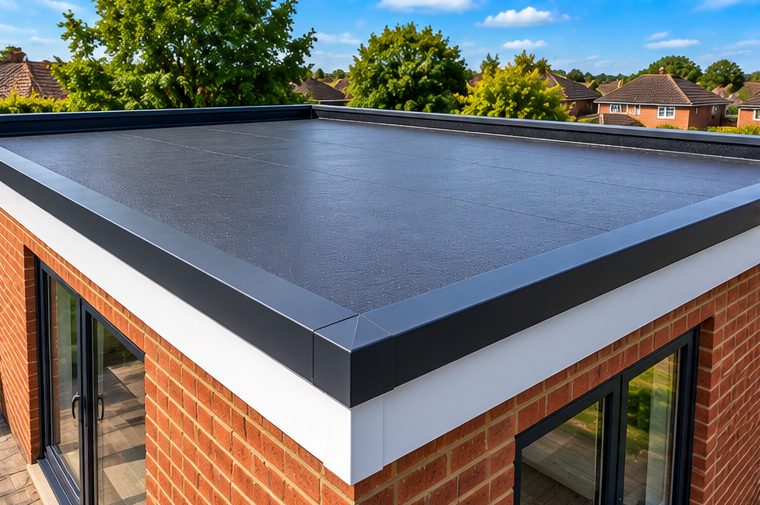
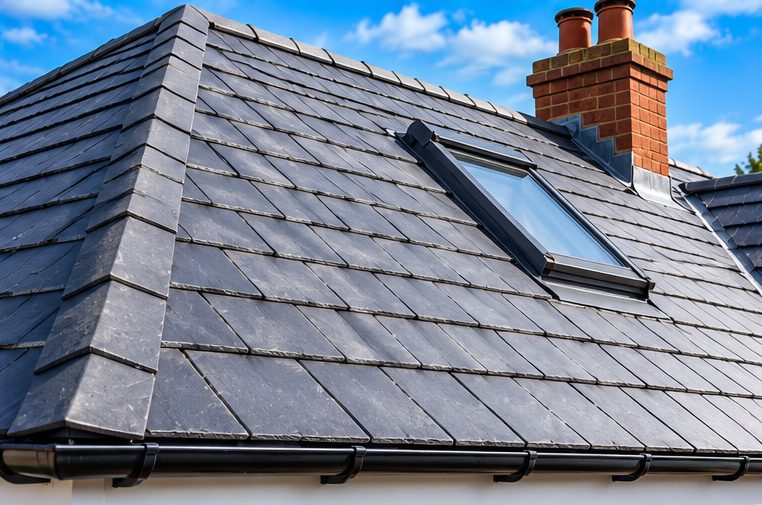
Pictures are for illustration purposes only.
“FH Roofing did a fantastic job on our full roof replacement in Alford. The team were professional, turned up on time every day, and kept everything clean and tidy throughout the job. They explained everything clearly from the start and the finished roof looks brilliant. You can really tell they take pride in their work. Would definitely recommend FH Roofing to anyone needing a new roof!”
“Absolutely brilliant service from start to finish. F H Roofing replaced our old, leaking roof with new tiles and it looks fantastic. The lads were polite, on time, and left everything spotless. Highly recommend them to anyone needing roofing work in Lincolnshire.”
“We had storm damage to several tiles and F H Roofing came out the same day to make it watertight.”
If failures are scattered, repairs can be sensible. If tiles are crumbling, battens are rotten, the underlay has perished or leaks keep reappearing, a re-roof is usually the better long-term answer. We inspect and give you our honest view, with the reasons.
In most cases, yes. It protects the people working and the property, and it gives safe access to the eaves, verges and chimney areas. We discuss where it will go and how it affects access to your home when we quote.
It depends on the size, complexity and weather. A small garage or extension roof can be quick, while a full house re-roof takes longer. We will give you a realistic expectation when we have seen the roof, though weather can always move things.
It should state the roof area covered, the type of covering, battens, underlay or membrane, ridge, verge and flashing details, scaffolding, waste removal and any exclusions. It should also mention what happens if rotten timber is discovered, so there are fewer surprises later on.
F H Roofing Lincolnshire, 3 Popular Meadows, Sleaford Road, Beckingham, Lincoln, LN5 0RB
Tell us what you need and we will be in touch.
Prefer to talk? Call 07561 405402 or WhatsApp us.