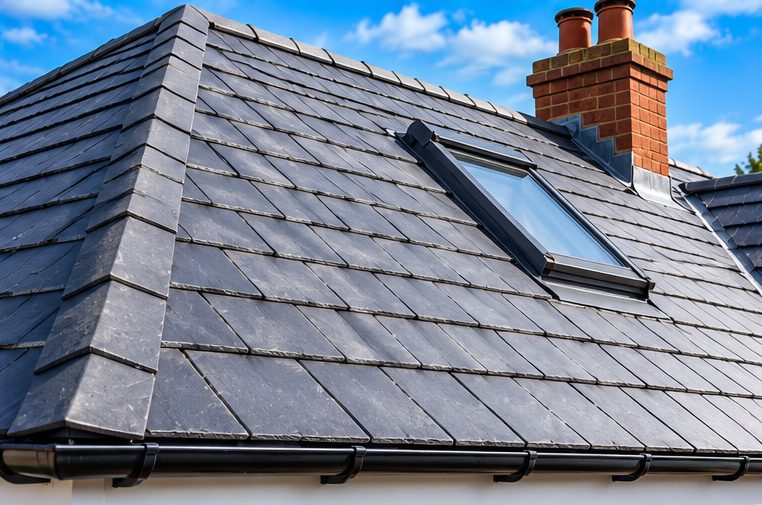
Putting a whole new tiled roof on a house is one of the larger projects a homeowner takes on, and it helps to know the shape of the job before the first quote arrives. Whether you are fitting a roof to a new extension or stripping an ageing covering, the order of work and the decisions you make early on decide how smoothly it goes.
This guide walks through new tiled roof installation and tiled roof replacement for homeowners across Lincolnshire, including towns such as Lincoln, Sleaford and Spalding. It covers what is removed, what stays, the choices you will be asked to make, and how to compare quotes sensibly without being drawn into a numbers game.
The two jobs overlap but are not identical. A new roof, on an extension or new build, is built on fresh timbers with everything specified from scratch. Replacement means taking off an existing covering, assessing what is under it and putting a new one on. The second carries more unknowns, because the condition of battens, rafters and wall plates is only fully visible once the old tiles are off. A good contractor tells you this at the outset, explains which items are provisional and agrees how any extra timber repairs will be handled before work starts, so there are no surprises midway.
Although every house differs, a typical replacement follows a sequence:
Before work begins you will be asked about a handful of things. The tile type affects weight, appearance and what the roof structure must carry, and some heritage-style or conservation settings call for particular looks. Colour and profile matter on streets where the roof is visible from the front. You may want ventilation improved, extra insulation planned for the loft, or new roof windows added while the covering is open. It is much easier to include these now than to cut into a finished roof later. Ask your roofer to set out the options in plain terms, with the advantages and drawbacks of each.
Two quotes for what sounds like the same roof can differ widely, and the reasons are usually in the detail. Roof area and pitch, the number of hips, valleys and dormers, and the chosen tile all change the labour and material. Scaffolding, waste removal, the condition of the timbers and the standard of underlay and flashings add further elements. Chimneys and abutments need lead work. When you compare quotes, check that each covers the same scope, not just the same headline. We prefer to see the property, list exactly what is included and explain what could change once the roof is opened up.
A few errors crop up repeatedly. Re-covering over weak battens saves effort now and costs more later. Reusing old flashings or cheaping out on valley details leaves the most leak-prone areas exposed. Skipping ventilation can lead to condensation in the loft. Agreeing a job on a vague description leaves room for disputes. Starting in unsettled weather without proper protection risks a wet house. A careful contractor plans for the forecast, covers open sections each evening and keeps you informed about progress.
To discuss a new tiled roof installation or tiled roof replacement, use the phone or WhatsApp buttons on this page. Tell us the type of house, its rough age, the current covering if there is one and anything you have noticed, such as leaks or slipped tiles. We will arrange a visit, talk you through the options, and prepare a free written quotation that sets out what is included. You are under no obligation, and we are happy to answer questions before you decide.
For new tiled roof installation and tiled roof replacement anywhere in Lincolnshire, call or WhatsApp 07561 405402, or use the form below and tell us about the job.
Pictures are for illustration purposes only.
See all New Roof Installations services in Lincolnshire →
In nearly all cases, yes. Scaffolding gives a safe working platform, protects the property and the public, and makes it easier to handle materials. We will explain what is needed for your house when we visit and include it in the quotation.
It depends on the size of the roof, its complexity, the weather and what is found when the old covering comes off. Most houses take a matter of days rather than hours, and we will give an honest estimate once we have seen the property.
Usually yes, though it will be noisy and there may be dust and some disruption around the scaffold. We aim to keep the roof weatherproof each day. If you work from home or have young children, mention it so we can plan sensibly.
Tell us about the job and we will be in touch.
Prefer to talk? Call 07561 405402 or WhatsApp us.