Green or black patches on a roof are not just a cosmetic problem. Moss holds moisture against tiles, algae spreads across the surface, and lichen grips the face of the material. On a damp, mild county like Lincolnshire, roofs that sit under trees or on the shaded side of a house often turn green surprisingly quickly.
Scraping and brushing by hand is one way to clear a roof. Another is to treat the surface with a biocide and rinse it gently, which is what people usually mean by soft washing. This guide explains how Roof Biocide Treatment and Roof Soft Washing work, where each fits, and what to ask before agreeing to either on your own roof.
A biocide is a solution applied to the roof that kills moss, algae and lichen at the root rather than simply removing what shows on top. Once applied, the growth usually dies back over the following weeks and is washed off gradually by rain, though the timing depends on the weather, the type of growth and how established it is. This is why a treated roof can look worse before it looks better, with dark or brown patches appearing first. The benefit is that it reaches into the texture of the tile or slate where a brush cannot. The limitation is that it does not repair anything. Damaged, slipped or cracked tiles still need attention separately, and a treatment does not make a tired roof watertight.
Roof Soft Washing means applying the treatment at low pressure and rinsing gently, rather than blasting the surface. The point is to protect the roof covering, which can be damaged if it is treated roughly. Manual removal is different. A roofer scrapes thick moss off with hand tools and brushes the surface clean, which is effective for heavy growth and for roofs where chemicals are not wanted. The two are often combined, with bulk moss taken off by hand first and a biocide applied afterwards to deal with what remains. The right mix depends on the roof's material, its pitch and the thickness of the growth, and a sensible contractor will explain which they recommend and why.
Treatment suits tiled roofs with a reasonable covering of surface growth, particularly concrete tiles that hold moss in their texture. Slate often suits gentler methods, and clay tiles need care so the finish is not harmed. Roofs that are already cracking or porous may need repair before anything is applied. It also matters what sits beneath. Runoff from treated roofs reaches gutters, downpipes and sometimes planting, so you should ask how the contractor protects surrounding areas.
Before any work starts, a roofer should check the roof for loose or damaged tiles, because a cracked tile is likely to be missed once treatment is under way. Gutters will probably collect debris as moss comes away, so they should be cleared afterward. Close windows, move garden furniture and cover sensitive planting. After treatment, expect the roof to change colour gradually rather than overnight. Nobody can promise a roof will stay clear for any set time, since regrowth depends on shade, trees, damp and the material. Some owners choose to repeat the treatment periodically, and a check every year or two helps catch new growth before it takes hold.
The cost of Roof Biocide Treatment depends on the size and pitch of the roof, how heavy the growth is, and how easy it is to reach. A steep roof, a three-storey house or a roof boxed in by neighbouring buildings often needs special access equipment. If a lot of moss must be removed by hand first, the job takes longer. The condition of gutters, the number of roof levels and any repairs spotted along the way add to the scope. Ask whether gutter clearing, a tile check and tidy-up are included, and whether a second visit is part of the price or an extra.
If your roof has started to green over, F H Roofing can take a look and advise whether hand removal, a soft-wash style treatment or a combination suits it. We cover Lincolnshire, including Skegness, Louth and Spalding. Tell us the type of covering, how heavily it is affected and whether trees overhang, and we will give you a free quotation. We would sooner tell you that a roof needs repair than treat one that is failing underneath. A visit also lets us check the gutters and the state of the tiles beneath the growth, which matters as much as the cleaning itself.
For roof biocide treatment and soft washing anywhere in Lincolnshire, call or WhatsApp 07561 405402, or use the form below and tell us about the job.
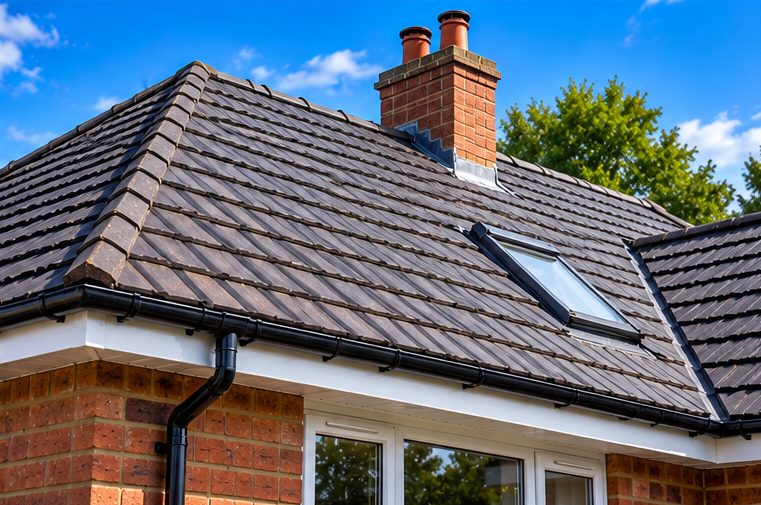
Pictures are for illustration purposes only.
See all Roof Moss Removal services in Lincolnshire →
The growth usually starts to die back within weeks, and rain then clears it gradually. The exact time depends on the weather, the type of growth and the roof's material. Expect a changing appearance during that period, and ask your roofer what to look for.
It is designed to be gentler than harsh methods, because the treatment does the work, not force. It still suits some roofs better than others. Old, brittle or cracked tiles may need repair first, so a roofer should inspect before recommending it. Ask what they intend to use and where it will drain.
It can, particularly on shaded, damp roofs or under overhanging trees. No honest contractor can promise a moss-free roof for a set time. Periodic checks and prompt treatment of early growth keep things manageable. A roofer can advise on a sensible routine for your roof.
Tell us about the job and we will be in touch.
Prefer to talk? Call 07561 405402 or WhatsApp us.