Moss on a roof is rarely just a cosmetic issue. It holds moisture against tiles, blocks gutters when clumps fall, and in winter can freeze and lift edges. The way it is dealt with, though, depends heavily on what kind of building it is growing on, who uses it, and how the roof can be reached.
This article compares residential and commercial work side by side. If you own a house, a rental property, a small unit or a barn conversion in Lincolnshire, it should help you understand the methods used, the planning involved, and the questions to ask. It also explains why we only use gentle approaches, never anything that might damage the roof surface.
Moss needs moisture, shade and something rough to grip. North-facing slopes, roofs under trees, and areas where water lingers around valleys and chimneys are the usual starting points. Porous concrete and old clay tiles hold damp more readily than smooth surfaces. Moss does not eat the tile, but it acts like a sponge, and its roots work into small cracks. Flat, open ground can leave roofs exposed to damp air, so even a sunny house can suffer if the pitch is shallow. Commercial roofs add their own causes, such as long, low-pitched profiles, parapet gutters and sheets with overlaps where debris collects, so moss often appears in the lines where water runs slowly.
Whatever the building, the approach is gentle. We do not use anything that strips granules from tiles or forces water under them.
Residential Roof Moss Removal usually concerns a pitched roof of tiles or slate on a house, bungalow or outbuilding. The main questions are access and the condition of the tiles. Many houses can be reached with ladders and roof ladders, but steeper or taller properties, or those with conservatories below, may need scaffolding or a tower. Before starting, we check for cracked or slipped tiles, because walking and brushing on weak ones can make matters worse. Tidy working matters too: gardens, cars and washing lines need protecting, and neighbours deserve some warning. Afterwards, the gutters are cleared of what has come down, and any defects are noted so you can decide whether to repair them.
Commercial Roof Moss Removal involves larger areas and different coverings, such as profile sheeting, fibre cement, flat sections and long gutter runs on units, farm buildings and workshops. Safety planning becomes more formal: edge protection, fragile roof lights, and the movements of staff and visitors beneath all need thinking through. Fragile surfaces may not be walked on at all. Work might need to be arranged around opening hours, deliveries or tenants, which affects how it is scheduled. Debris should be contained so it does not block yard drains or fall onto vehicles. Where a roof is large, it is sensible to inspect first and agree which areas are in scope, rather than assume everything will be treated.
In both cases, the price follows the time and the access. The roof area and pitch, the type of covering, and how thick the moss is all matter. Access equipment is often the biggest variable, from a simple ladder to scaffolding or a platform for tall commercial units. The amount of gutter clearing, any treatment applied afterwards, and the need to protect or work around occupied areas also count. Remember that moss can return, depending on shade, damp and the roof surface, so be wary of anyone who promises a moss-free result for a set period. Ask how the work will be done and what they will do if they find damaged tiles.
F H Roofing is based in Beckingham near Lincoln and covers Lincolnshire. We offer free quotations for both house roofs and commercial buildings. Tell us what the building is, what the roof is covered with, how high it stands, and where the moss is worst. For commercial work, mention any restrictions on access or working hours. We will inspect, explain the method that suits the roof, and set out the work clearly, including gutter clearing and any repairs we would suggest. You are then free to compare and decide.
For residential and commercial roof moss removal anywhere in Lincolnshire, call or WhatsApp 07561 405402, or use the form below and tell us about the job.
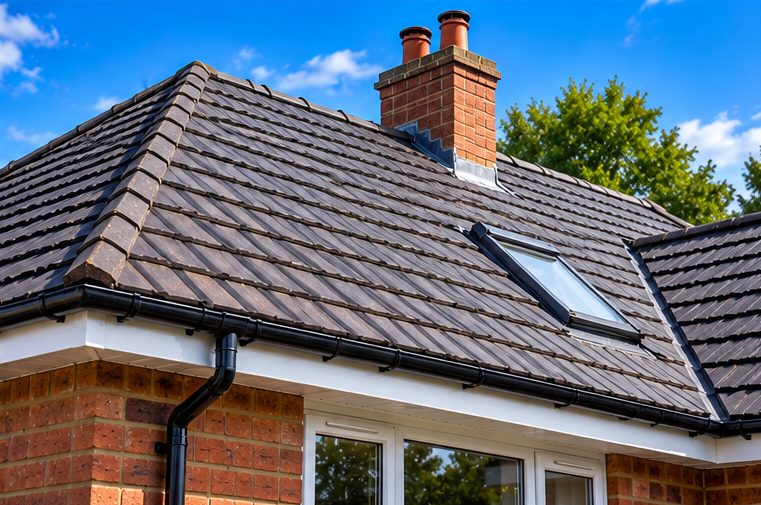
Pictures are for illustration purposes only.
See all Roof Moss Removal services in Lincolnshire →
It can be, provided the method is gentle and the tiles are sound. Hand removal and low-pressure or soft-wash treatments are chosen to protect the surface. Brittle or flaking tiles are assessed first, and we would tell you if they should be repaired.
It can, depending on shade, damp and the roof surface, so no honest roofer can promise a moss-free time span. Treatment after removal and keeping gutters and nearby trees in check helps slow regrowth.
Usually not for moss work, as the job is done from outside using ladders, towers or scaffolding. On commercial buildings we may need to agree entry points, parking and working hours so staff and visitors are not disrupted.
Tell us about the job and we will be in touch.
Prefer to talk? Call 07561 405402 or WhatsApp us.