Clearing moss from a roof is only half the story. Spores drift in on the wind all year round, and any damp, shaded, slow-drying surface gives them somewhere to settle. Within a couple of seasons a freshly cleared roof can start greening again, which is why many homeowners ask what can be done to slow the return.
Roof moss prevention treatments are the answer, but they come with caveats. No treatment makes a roof immune, and nobody honest will promise a moss-free result for a set time. This guide explains what causes regrowth, what treatments and habits help, which approaches to avoid, and how to judge a quotation for your Lincolnshire home.
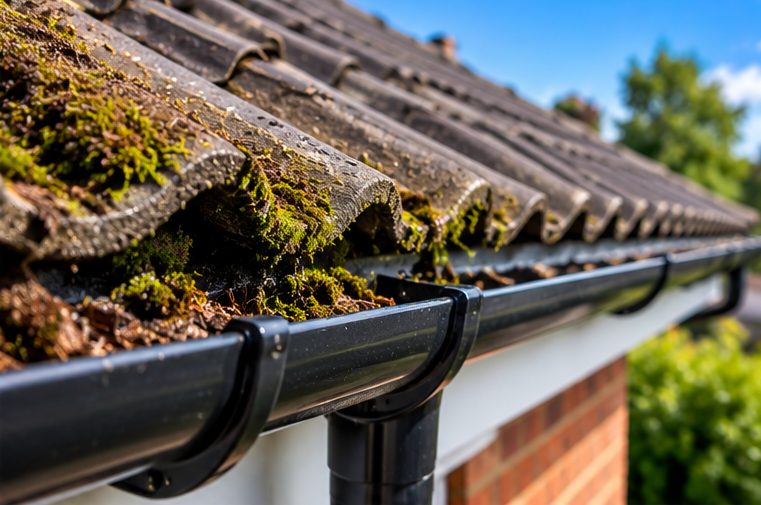
Moss thrives where moisture lingers. North-facing slopes that rarely see the sun, roofs overhung by trees, and tiles with a rough, porous surface all hold water longer, and that is all moss needs. Algae and lichen often arrive first, forming dark patches that make it easier for moss to take hold. Debris sitting in valleys and behind chimneys holds more damp still. Flat Lincolnshire landscapes may leave roofs open to wind and rain from every direction, while sheltered gardens with mature trees produce a steady rain of leaves and seeds. Understanding the cause matters, because prevention works well when it deals with conditions as well as growth. Cutting back branches, keeping gutters clear and removing leaf litter all reduce the dampness that moss depends on.
A preventive treatment only works on a surface that has been cleaned. Thick moss is removed by hand first, by scraping and brushing carefully so tiles are not damaged. Loosened material must be collected rather than allowed to wash down into the gutters, where it blocks outlets and makes matters worse. After that, a low-pressure treatment can be applied to the clean tiles. This is a soft-wash approach: a biocide solution is applied gently, left to work, and allowed to break down remaining spores and algae over the following weeks. The roof may look patchy for a time before it clears, which is normal. The exact method depends on the tile type, the age of the roof and how much growth there is, and a roofer should look before suggesting anything. Fragile or very old tiles, for example, may call for hand work alone.
Much of prevention is sensible housekeeping, and most of it costs little. A roof that dries quickly stays cleaner. Practical steps include:
Be wary of anything that sounds too simple. Harsh scraping with metal tools can strip the surface from concrete tiles, making them rougher and more welcoming to moss later. Cheap sprays that are put on without removing the growth first just leave dead moss clinging to the roof. Some products can stain tiles, harm plants at ground level or run into gutters and downpipes, so ask what is used and how run-off is managed. Claims of a roof staying clean for a fixed number of years should be treated with scepticism, since weather, shade and the roof itself all vary. Metal strips fitted near the ridge are sometimes suggested, and they may help on some roofs, but they are not a substitute for cleaning and good drainage. A trustworthy roofer explains the limits of every method before you commit.
A quote for moss prevention depends on the size and pitch of the roof, how much growth there is, and how easily it can be reached. A single-storey roof with clear access is quicker than a steep three-storey house needing scaffolding or other safe working arrangements. Heavy moss takes longer to remove by hand before any treatment can go on. The tile type matters, as do outbuildings and extensions, if you want those included. Whether gutter clearing and a check for slipped or cracked tiles are part of the visit also changes the scope. When comparing quotations, ask what method is being used, what is included, and whether a repeat treatment is suggested. The lowest-looking offer may simply leave out the preparation that makes the treatment work, so compare the content, not just the total.
If moss, lichen or dark streaks are building up on your roof in Lincoln, Skegness, Louth or elsewhere in Lincolnshire, we provide free quotations. We will look at the roof, usually from the ground first, explain what is growing and why, and suggest manual removal, a low-pressure soft-wash treatment, or both, depending on what suits the tiles. We will be straight about what treatment can and cannot achieve, and we will not promise a moss-free roof for any length of time. If you spot loose tiles or sagging gutters while you are looking, mention them, because they are worth dealing with at the same time.
For roof moss prevention treatments anywhere in Lincolnshire, call or WhatsApp 07561 405402, or use the form below and tell us about the job.
Pictures are for illustration purposes only.
See all Roof Moss Removal services in Lincolnshire →
It depends on shade, moisture, the tile surface and the weather, so no honest roofer can name a date. A good treatment slows regrowth, and keeping gutters clear and trees trimmed helps further. Regular checks let you catch new patches early.
A gentle, correctly applied soft-wash treatment is designed to avoid that, and careful hand work is gentler than aggressive scraping. Old or fragile tiles need extra care, so the roof should be looked at before any method is chosen.
Not always. Sometimes only the shaded slopes need attention. A look at the roof will show where growth is strongest and whether treating selected areas is sensible, though treating all slopes can give a more even result.
Tell us about the job and we will be in touch.
Prefer to talk? Call 07561 405402 or WhatsApp us.