Gutters are easy to ignore until a wet week shows you where they have given up. Water spilling over the front of a run, a stained wall under a leaking joint, or a sagging length pulling away from the fascia are all signs that old guttering is near the end. For most houses, UPVC is the usual replacement, because it is light, does not rust and is straightforward to fit.
Good UPVC Guttering Installation is more than clipping new lengths onto old brackets. The fall, the fixings, the outlet positions and the state of the board behind all decide whether the system works for the next couple of decades. Here is what to think about before you ask for quotes, with a bias toward the sort of properties found across Lincolnshire, from older brick houses to modern estates.
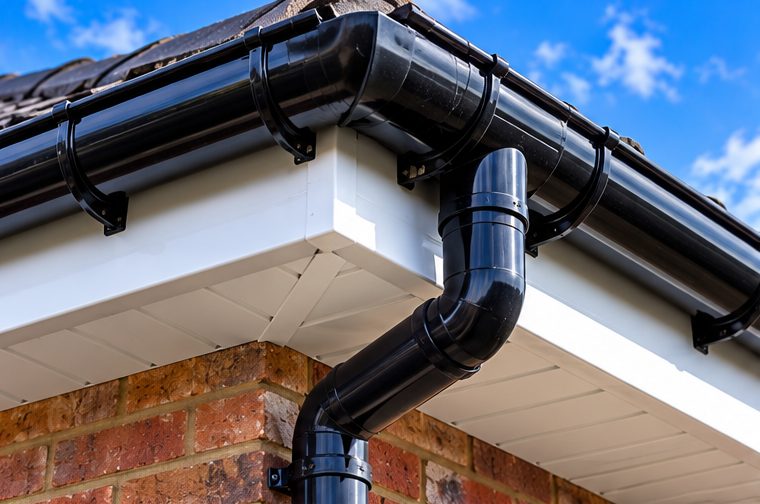
Colour is the choice most people notice first, and both options are well established. White UPVC Guttering is the traditional answer. It matches white fascias and soffits, brightens a shaded elevation, and suits most modern homes, although light colours can show dirt and algae more easily on north-facing walls. Black UPVC Guttering has become popular on period properties, cottages and dark-brick houses, where it reads closer to cast iron without the weight or maintenance. It also hides marks well. Matching matters more than fashion. If your fascias and soffits are already white or brown, a different guttering colour can look disjointed. If you are replacing the whole roofline at once, you have more freedom to choose a coordinated scheme.
A neat job starts with removing the old guttering and checking what lies behind it. The fascia board must be sound, since gutter brackets need solid fixing, and any soft or rotten timber should be dealt with first. New brackets are then set at the right spacing and with a slight fall towards the outlet, so water drains away instead of lying in the run. Joints are clipped and sealed with the correct fittings, stop ends and corners are fixed securely, and downpipes are connected to drains or soakaways. Finally the system is tested with water. Where two lengths meet at an angle, or a run is long, extra supports and the right number of outlets reduce the risk of overflow in heavy rain.
Gutters come in different profiles and sizes, and the right one depends on the roof. A large roof area, a steep pitch or a valley that funnels water to one point needs more capacity than a small porch. Half-round is the common choice, while square and ogee profiles suit different house styles. Deeper or larger sections may be sensible if overflow has been a problem. Some people ask about seamless guttering, which is formed as continuous lengths for the run. Ask us whether it suits your property, because access, length and the layout of the roof all affect whether it is a practical option. Whatever you choose, enough downpipes in sensible positions matter as much as the gutter itself.
Most failures come from preparation, not the product. Fixing to rotten fascia means brackets work loose within a season. Too few brackets let the run sag between supports and hold water. Poor falls leave standing water that attracts algae and eventually splits joints. Over-tightened or unsealed joints leak at the first cold snap. Overhanging trees add leaves and debris that clog outlets, so some owners fit leaf guards or simply plan to clear the run once or twice a year. Keep an eye on the first heavy downpour after installation and watch for drips at joints. A good installer will be happy to come back and adjust a connection if something is not right.
Several things shape a quote for gutters. The length of the runs and the number of corners and outlets are obvious ones. The height of the building matters because tall or three-storey elevations need scaffold or a tower. Access along a narrow side passage, or across a conservatory roof, adds time. The choice between standard and deeper profiles, and between plain and decorative fittings, changes the material list. The condition of the fascia board and the downpipes can add work. Disposal of the old system should be included. When comparing quotes, check that they cover the same lengths, fittings and downpipes, and whether fascia repairs are in or out.
We cover Lincolnshire, including Sleaford, Spalding and Gainsborough, and we can quote for gutters on houses, extensions and outbuildings. Contact F H Roofing for a free quotation and tell us how many elevations are involved, what material the current gutters are, and whether you are happy with the present colour. Photos of problem joints or damaged sections are helpful. We will check the fascia, explain the options plainly, and put the scope in writing so it is easy to compare. If you are unsure about colour, we can talk through how each option might look against your brickwork, windows and fascias before you commit.
For upvc guttering installation anywhere in Lincolnshire, call or WhatsApp 07561 405402, or use the form below and tell us about the job.
Pictures are for illustration purposes only.
See all Fascias & Guttering services in Lincolnshire →
Neither is better in general. White suits modern homes and matching white fascias, while black often looks right on period or dark-brick properties. Think about the colour of your fascias, windows and walls, and about how visible dirt will be on your elevations. If in doubt, hold a sample against the house.
Yes, provided the fascia board is sound enough to hold the brackets. Soft, split or rotten timber needs repairing or replacing first. A roofer can check this when removing the old guttering and tell you whether the board needs attention. Any fixing needs something firm behind it.
At least once a year is sensible, and twice if you have overhanging trees. Clear leaves and silt from the run and outlets, then check for drips at joints. Regular clearing prevents overflow and keeps the fall working properly. A quick look after storms is worthwhile.
Tell us about the job and we will be in touch.
Prefer to talk? Call 07561 405402 or WhatsApp us.