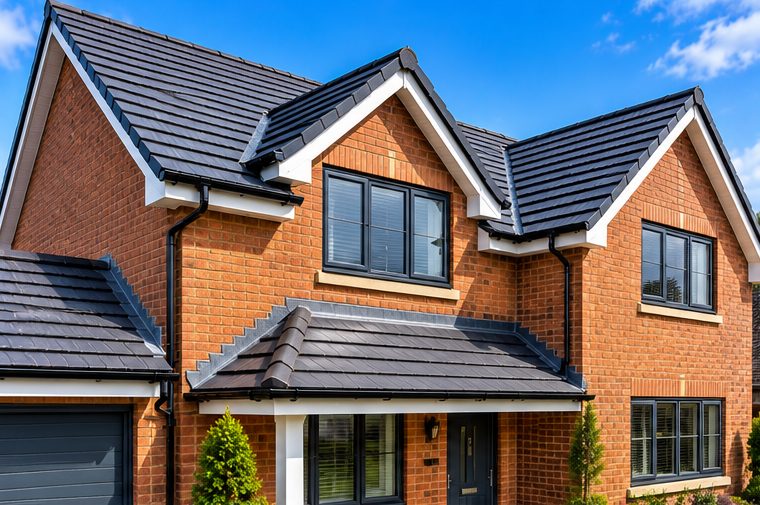
The verge is the sloping edge of a roof where it finishes at a gable end. On many older roofs it is bedded in mortar, and over time that mortar cracks, crumbles and lets tiles work loose. It is one of the most common places for wind to start lifting a roof. A neat, secure edge makes a real difference to the whole roof.
Dry Verge System Installation replaces that mortar with units fixed mechanically to the roof. This guide explains how the system works, where it makes sense, what to look out for and how to ask for a sensible quote, written for homeowners across Lincolnshire who are weighing up their options and want plain answers. It is general information, and your own roof should always be looked at first.
A dry verge system uses purpose-made units, usually plastic or similar material, that are screwed or clipped to the roof along the gable edge. The edge tiles are held down mechanically, and a verge cap or cover piece closes the end of the tiles from view. Instead of a bed of mortar, there is a fixed trim, with a vented or sealed edge depending on the design. The aim is a tidy, weather-resistant finish that does not depend on mortar staying intact. Before fitting, the roofer checks the condition of the edge battens, the tiles and the barge area, and replaces any that are damaged. On many roofs the old verge mortar is chipped off first and the area is made good. Not every roof or tile type suits every product, so the system should be matched to your tiles.
Dry verges can suit exposed roofs, such as those on open ground, on the edge of a village or on a gable end that catches the prevailing wind. They also appeal to people who are tired of repointing the same stretch of mortar every few years. They are sometimes specified on new roofs and extensions, and they can be used when re-roofing an existing house. On the other hand, a traditional mortar verge may be more in keeping with certain period properties, and some conservation areas have rules on appearance. If the existing roof is in poor condition, there is little point fitting a dry verge on top of tired tiles. The sensible approach is to look at the whole roof, not only the edge, so that the verge work is part of a plan rather than an isolated patch.
The main benefit is less mortar maintenance. A dry verge does not crack and fall out in the way bedded mortar can, and mechanical fixing can help the edge tiles resist wind lift. It can also give a clean, uniform line along the gable. That said, it is not a cure-all. The roof still needs checking from time to time, fixings and caps can be damaged by severe weather, and the units are visible, so the look is different from a mortared verge. Colour matching to your tiles is worth discussing with the roofer. We keep our claims modest: a dry system can reduce some upkeep and may suit an exposed roof, but we cannot say how long it will last on yours. Ask to see a sample, and check how the product is fixed.
Most verge work is done from scaffold or a tower, and it makes sense to combine it with other work at the roofline if scaffold is already up, such as fascia, bargeboard or ridge repairs. If your ridge is also mortar-bedded and tired, a dry ridge system is a natural companion, and it is worth asking about both at once. Common errors include fixing new units to soft or rotten battens, using the wrong system for the tile profile, and leaving gaps at the abutment with the ridge or the eaves. Make sure old mortar and debris are cleared away rather than left in the gutters. Ask how the system will be fixed and whether the roofer will check the tiles next to the verge. A neat job at the edge relies on what is behind it.
The main factor is the length of verge to be covered, along with the height and pitch of the roof. Access equipment such as scaffold is a big part of the total on taller houses. The condition of the existing edge tiles, battens and mortar affects the preparation involved. A roof with several gables is a larger job than a single gable end. Your choice of system and colour, plus any extra repairs to ridge, fascia or bargeboards, changes the scope. If damaged tiles or timber are found once the old verge is removed, the quote should say how these will be handled. Always ask for the price in writing with a clear list of what is included, so that you can compare it properly with another quote.
We offer free quotations for dry verge work. Tell us about your house, which gable ends need attention, and whether you have noticed loose tiles or crumbling mortar at the edges. Photographs taken from the ground help us to see what is going on. We cover Lincoln, Boston, Sleaford, Grantham, Louth, Skegness, Spalding, Gainsborough and nearby areas. We will talk through whether a dry system suits your roof, look at the edges and the tiles next to them, and put the details in a written quote. Use the call or WhatsApp buttons on this page, or send the contact form, and we will arrange a time that suits you.
For dry verge system installation anywhere in Lincolnshire, call or WhatsApp 07561 405402, or use the form below and tell us about the job.
Pictures are for illustration purposes only.
See all Dry Verge Systems services in Lincolnshire →
A mortar verge is bedded with cement or lime mortar, which can crack and fall out. A dry verge uses mechanically fixed units instead, so there is less mortar to maintain. Each has its place, depending on your roof and property. Which suits you depends on the tiles, the exposure and how the house looks.
Often yes, provided the roof is in reasonable condition and the system suits your tiles. The old mortar is removed and the edge checked first. A roofer needs to see the roof before saying whether it is suitable. It depends on the condition of the tiles and battens at the edge, which is why we look first.
Much less mortar upkeep, but not none. The roof edge should still be checked now and then, especially after storms, to make sure the fixings and caps are secure. Clearing debris and moss from the area also helps. Ask us if you would like the edges looked at during a general roof check.
Tell us about the job and we will be in touch.
Prefer to talk? Call 07561 405402 or WhatsApp us.